
일본의 축제는 오랜 역사와 관습을 재현하는 행사를 넘어, 오늘날에도 그 의미가 살아 움직이는 문화입니다.
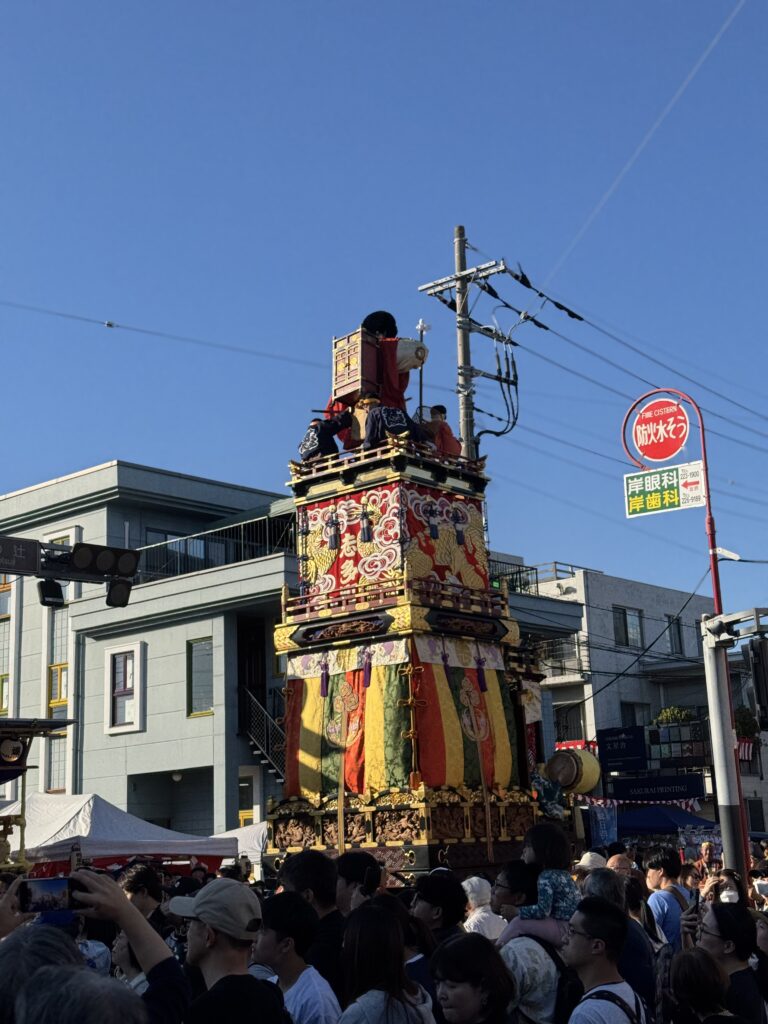
카와고에 마쓰리에는 카와고에 시내 여러 마을의 주민들이 참가합니다. 각 마을은 바퀴가 달린 거대한 탑 모양의 수레인 ‘다시(山車)’를 만들어 시내를 행진합니다.
다시는 각 마을의 특징을 표현합니다. 맨 꼭대기에는 다양한 인형을 세우는데, 붉은 머리의 여성이나 여우처럼 그 모습도 제각각입니다. 멀리서 바라보아도 어느 다시가 다가오는지 알 수 있을 정도입니다.
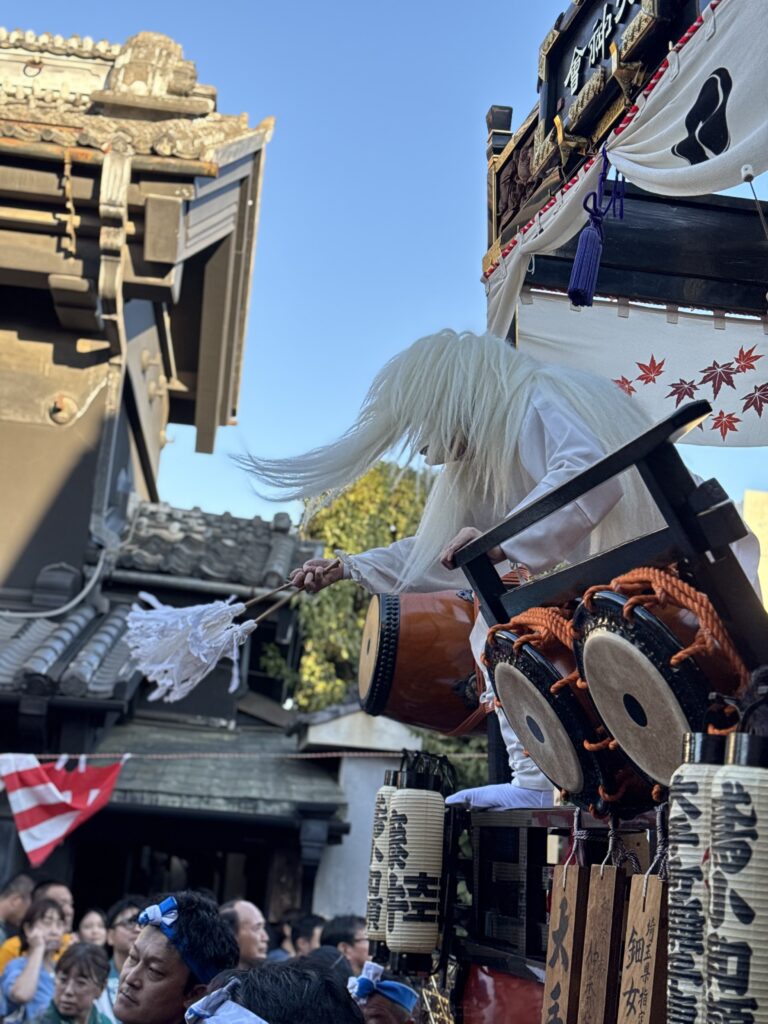
2층에서는 피리를 부는 사람과 북을 치는 사람, 탈을 쓰고 춤을 추는 사람들이 음악과 몸짓으로 축제의 흥을 돋웁니다. 그 독특한 선율과 춤을 보고 있으면 카와고에의 정신을 감각적으로 느낄 수 있습니다.
다시는 그렇게 시내를 돌아다닙니다. 거대한 수레를 주민들이 긴 밧줄로 끌고, 앞서가는 사람들은 수레가 지나갈 길을 살피며 행렬을 이끕니다. 수많은 사람이 각자의 역할을 수행하면서 하나의 다시를 움직이는 것입니다.
축제의 절정은 서로 다른 마을의 다시가 마주치는 순간입니다. 사람들은 음악과 춤으로 서로의 흥을 겨루며 축제의 열기를 한층 끌어올립니다.
일본 마쓰리의 현장에 있으면 외국인인 저조차 감정이 고조됩니다.
그 이유는 단순히 많은 사람과 음악, 춤, 먹을거리가 어우러지기 때문만은 아닙니다. 카와고에 주민들이 하나의 목적을 위해 협력하고, 조화로운 질서 속에서 함께 즐거움을 만들어가는 모습이 제 마음속 도덕적 감각을 일깨우기 때문입니다.
수많은 사람이 참여하지만, 그 안에는 각자의 역할이 있습니다. 거대한 다시 하나를 움직이기 위해서는 서로를 이해하고, 자신의 역할을 수행하며, 다른 사람과 호흡을 맞춰야 합니다.
그렇게 만들어진 질서는 사람들을 억압하는 규칙이 아니라, 모두가 함께 즐기기 위해 필요한 질서입니다.
이러한 감동은 저만 느끼는 것이 아닌 듯합니다. 카와고에 마쓰리의 다시 행사는 2016년 유네스코 무형문화유산에 등재된 일본의 축제 전통에도 포함되어 있습니다.
마쓰리를 바라보며 생각합니다.
공동체란 단순히 많은 사람이 모여 있는 상태가 아닙니다. 서로 다른 사람들이 하나의 목적을 공유하고, 각자의 역할을 다하며, 함께 기쁨을 만들어가는 과정에서 공동체는 비로소 살아 움직입니다.
Matsuri: The Kawagoe Festival
One of the Great Festivals of the Kanto Region
Japanese festivals are more than events that preserve historical customs and traditions. Even today, their meaning remains alive in the communities that continue to celebrate them.
The Kawagoe Festival brings together residents from various neighborhoods throughout the city of Kawagoe. Each neighborhood builds a dashi, a large, three-tiered float on wheels, and parades it through the streets.
Each float reflects the character of its neighborhood. At the very top stands a figure, and the designs vary widely. Some feature a woman with bright red hair, while others display a fox. Their distinctive appearances make it possible to recognize an approaching float even from a distance.
On the second tier, musicians play flutes and drums, while performers wearing masks dance to the music. Their sounds and movements carry the spirit of the festival through the streets. The melodies and dances are so distinctive that one can almost feel the character of Kawagoe through the senses.
The floats travel throughout the city, pulled by local residents using long ropes. People walk ahead of each float to prepare the way and alert others to its arrival. It takes the cooperation of many residents to move these enormous structures through the streets.
The festival reaches its climax when floats from different neighborhoods encounter one another. The participants face off through music and dance, raising the excitement and energy of the celebration.
Whenever I experience a Japanese matsuri, even as a foreigner, I find myself swept up in the emotion of the moment.
It is not simply the crowds, music, dancing, or food that move me. What awakens something in my moral sense is seeing the people of Kawagoe work together toward a shared purpose, creating joy within a harmonious order.
Although countless people take part, each person has a role to fulfill. Moving a single enormous float requires people to understand one another, carry out their responsibilities, and coordinate their actions.
The order that emerges is not a set of rules that restricts people. It is an order that makes it possible for everyone to enjoy the festival together.
Perhaps I am not the only person who feels this sense of wonder. In 2016, the float tradition associated with the Kawagoe Festival was included in UNESCO’s Intangible Cultural Heritage listing for Japan’s traditional festivals.
Watching the matsuri, I find myself reflecting on the meaning of community.
A community is not simply a collection of people gathered in one place. It comes alive when people with different roles share a common purpose, fulfill their responsibilities, and create joy together.